
Myth-Busting: Common Misconceptions About Italian Cuisine


Introduction to Italian Cuisine
Italian cuisine is celebrated worldwide for its rich flavors and diverse dishes. However, it is often subject to misconceptions that can mislead food enthusiasts. This blog post aims to debunk some of the most common myths about Italian cuisine, offering a clearer understanding of its authentic nature.
Myth 1: Italian Food Is All About Pasta and Pizza
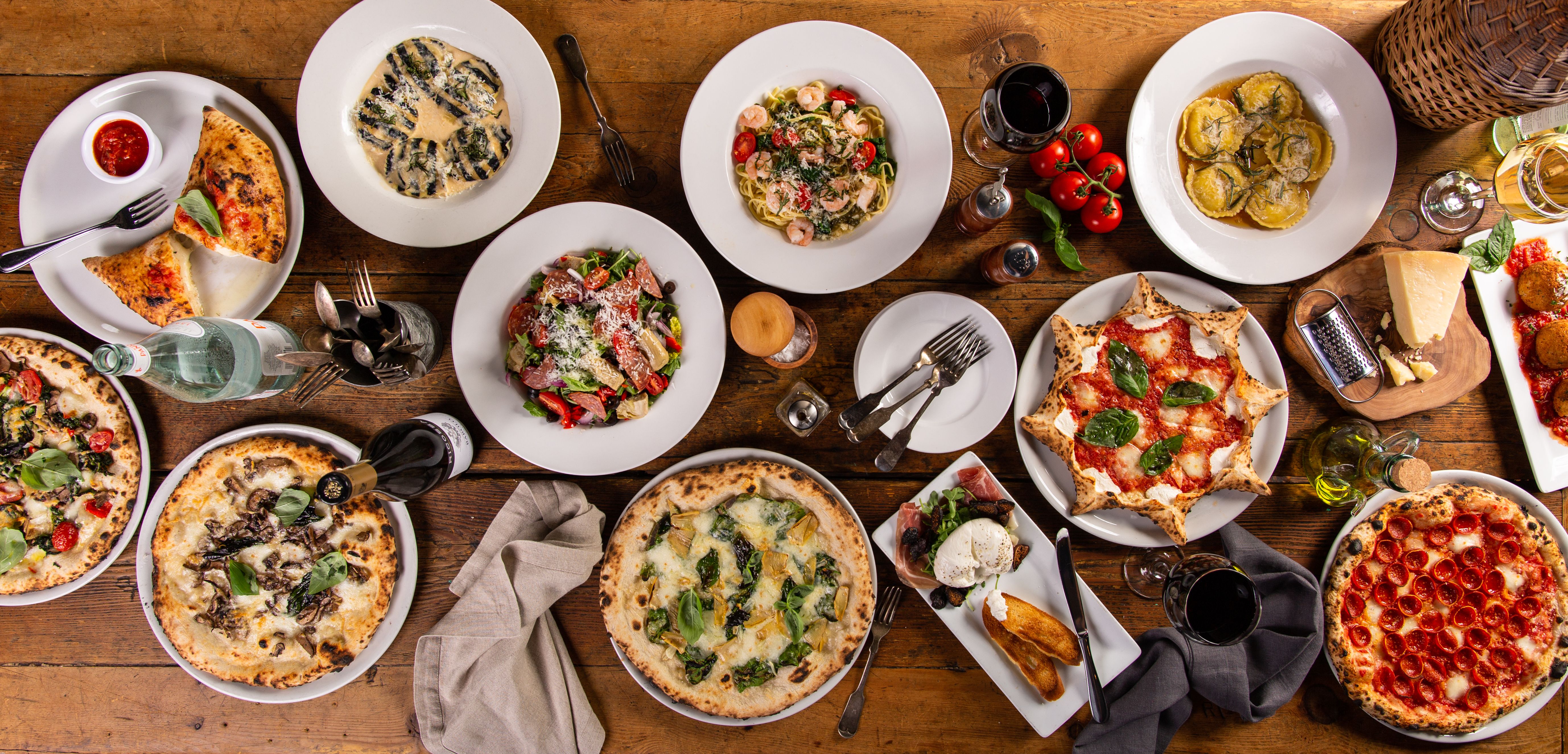
While pasta and pizza are iconic, Italian cuisine is incredibly diverse. Each region in Italy boasts its own specialties, from the risottos of the north to the seafood dishes of the south. Limiting Italian food to just pasta and pizza does a disservice to its culinary richness.
Myth 2: Spaghetti and Meatballs Is an Italian Classic
Spaghetti and meatballs is often seen as a quintessential Italian dish, but it is more of an Italian-American creation. In Italy, meatballs, or "polpette," are usually served as a separate dish and not paired with pasta.
Myth 3: Italians Only Cook with Olive Oil
Olive oil is indeed a staple in Italian cooking, but it is not the only oil used. In northern regions, butter is commonly used due to the influence of neighboring cuisines and the cooler climate, which is more suitable for dairy farming.

Myth 4: All Italian Sauces Are Tomato-Based
Tomato sauces are popular, but Italian cuisine features a wide variety of sauces. Pesto, made from basil, pine nuts, garlic, and cheese, is a beloved option. Additionally, creamy sauces and seafood-based sauces are also prevalent across different regions.
Myth 5: Parmesan Is the Only Cheese in Italian Cuisine
Italy is home to a vast array of cheeses, each with its own unique flavor profile. Besides Parmesan, which is indeed famous, Italy offers mozzarella, ricotta, gorgonzola, and pecorino, among many others.

Myth 6: Garlic Bread Is a Traditional Italian Side
Garlic bread, as known in many countries, is not traditionally Italian. In Italy, you might find "bruschetta," which is grilled bread rubbed with garlic and topped with olive oil and salt, sometimes with tomatoes or other toppings.
Conclusion: Embracing Authentic Italian Cuisine
Understanding these myths helps in appreciating the true diversity and authenticity of Italian cuisine. By exploring beyond the stereotypes, one can enjoy a more enriching culinary experience that honors Italy's rich cultural heritage.