
Debunking Common Myths About Pizza and Pasta Nutrition


Understanding Pizza and Pasta: The Truth Behind the Myths
When it comes to beloved comfort foods like pizza and pasta, misconceptions about their nutritional value abound. Many people assume these dishes are nutritional disasters, but the reality is more nuanced. It's time to debunk some common myths and shed light on the truth behind these popular meals.
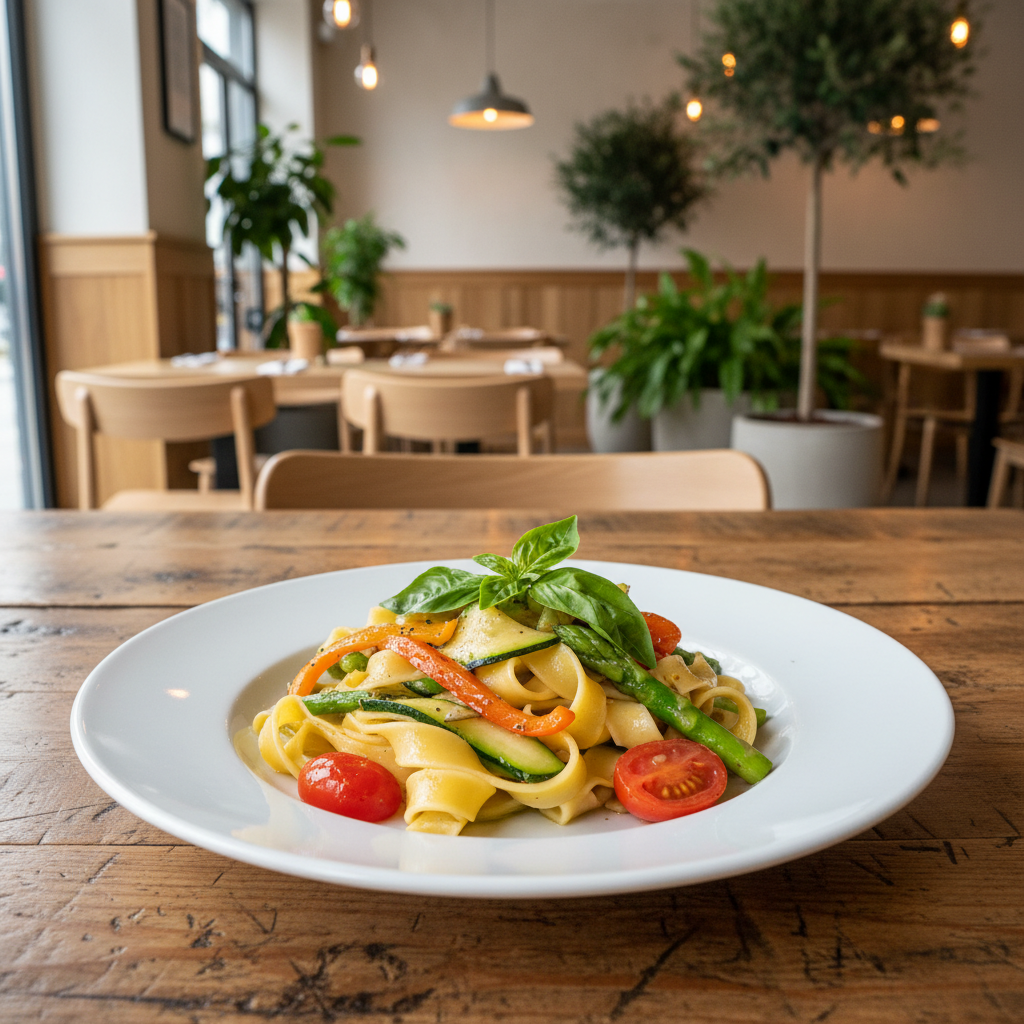
Myth 1: Pizza and Pasta Are Always Unhealthy
Contrary to popular belief, pizza and pasta can be part of a healthy diet. The key is in the ingredients and portion sizes. A pizza topped with vegetables, lean proteins, and a whole-grain crust can be nutritious. Similarly, pasta made from whole wheat or legume-based alternatives can provide essential nutrients and fiber.
It's essential to balance these dishes with a variety of other food groups. Incorporating fresh vegetables and lean proteins can enhance their nutritional profile, making them a wholesome choice.
Myth 2: Carbs in Pizza and Pasta Lead to Weight Gain
Carbohydrates are often blamed for weight gain, but they are a vital part of a balanced diet. The problem arises when we consume more calories than we burn. Moderation is key. Enjoying smaller portions and choosing whole-grain options can help manage weight while still indulging in these delicious dishes.
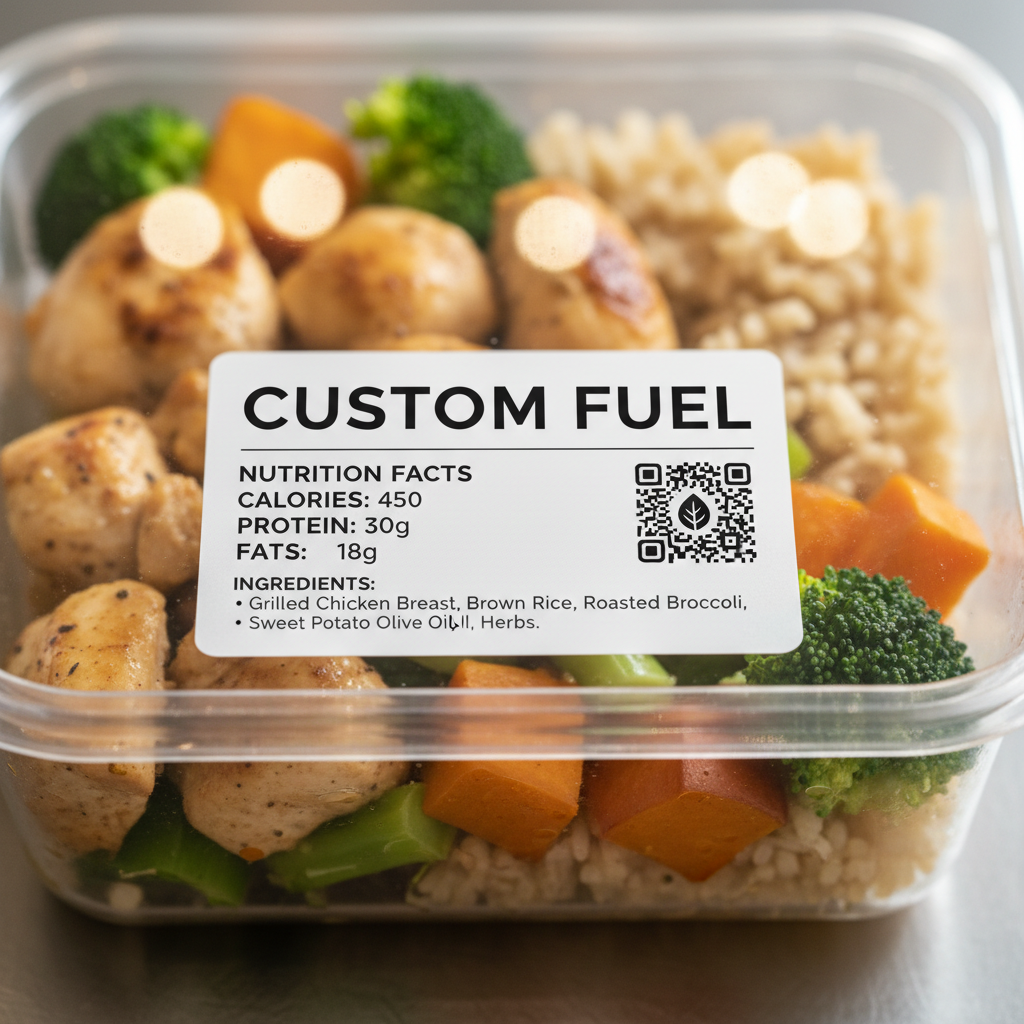
Carbohydrates are crucial for providing energy, especially for those with active lifestyles. Integrating them wisely into your meals can support your overall health and fitness goals.
Myth 3: All Sauces Are Created Equal
Many people assume all sauces are unhealthy, but this isn't the case. Tomato-based sauces can be a source of vitamins and antioxidants, whereas creamy sauces tend to be higher in fat. Opting for homemade sauces allows you to control the ingredients and reduce added sugars and sodium.
Experimenting with herbs and spices can add flavor without extra calories. A little creativity in the kitchen can transform your pasta and pizza into gourmet, health-conscious meals.

Myth 4: Gluten-Free Pizza and Pasta Are Healthier
While gluten-free options are essential for those with celiac disease or gluten intolerance, they are not inherently healthier for everyone. Some gluten-free products may contain more sugar or fat to enhance flavor. Always check labels and choose products with wholesome ingredients.
If you don't have a medical reason to avoid gluten, whole-grain options might offer superior nutritional benefits. They provide fiber and essential nutrients that can support a healthy diet.
The Bottom Line
Pizza and pasta do not have to be nutritional villains. With mindful choices and a balanced approach, these favorites can fit into a healthy lifestyle. Understanding the myths and educating ourselves on healthier alternatives is the first step toward enjoying these meals without guilt.
Next time you savor a slice of pizza or a bowl of pasta, remember: it's all about balance and making informed choices. Enjoy every bite!