
Comparing Traditional vs. Modern Pizza: What Sets Them Apart?


The Roots of Traditional Pizza
Traditional pizza, as we know it today, finds its origins in Naples, Italy. This culinary classic is characterized by its simple ingredients and time-honored techniques. A typical traditional pizza features a thin, chewy crust topped with tomato sauce, fresh mozzarella, basil, and a drizzle of olive oil. The emphasis is on quality ingredients and a wood-fired oven that imparts a unique smoky flavor.
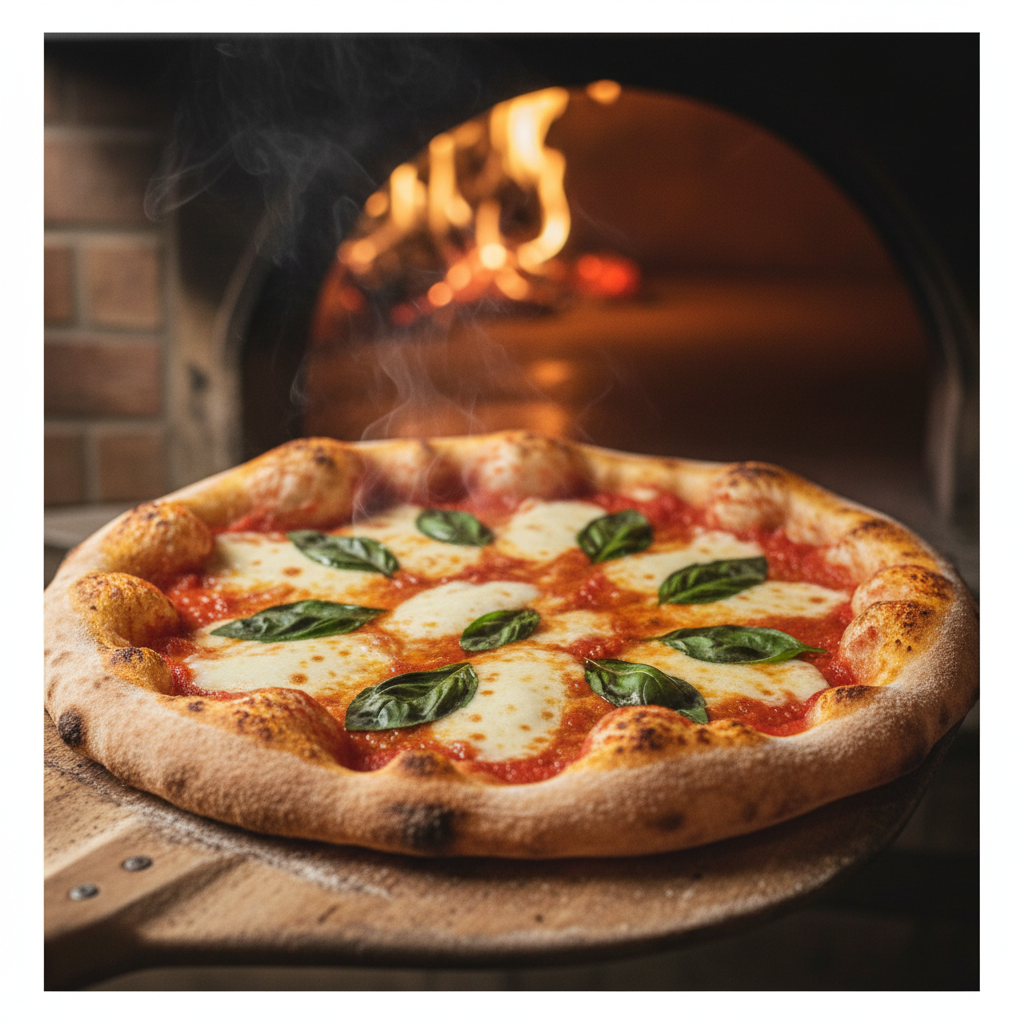
The beauty of traditional pizza lies in its minimalism. It relies on a few components to create a harmonious and flavorful experience. Each element, from the dough to the sauce, must be perfect to achieve an authentic taste. The dough is usually made with just flour, water, salt, and yeast, allowing the flavors of the toppings to shine.
Modern Pizza: A Canvas for Creativity
In contrast, modern pizza offers a more experimental approach. It's a canvas for culinary innovation, featuring a wide array of toppings and styles that go beyond the classic Margherita. From BBQ chicken to vegan options, modern pizza caters to diverse tastes and dietary preferences.
One of the defining features of modern pizza is its adaptability. Chefs and home cooks alike are constantly pushing the boundaries, incorporating ingredients like truffle oil, arugula, and even exotic fruits. This creativity allows modern pizza to evolve with trends and cater to a global audience.
Crust: The Foundation of Flavor
Whether traditional or modern, the crust is a vital component. Traditional pizza typically boasts a thin, crispy base, while modern versions might feature thick, stuffed, or even gluten-free crusts. Each type of crust adds a distinct texture and flavor profile, influencing the overall pizza experience.
Traditional Neapolitan crusts are known for their simplicity and reliance on high-quality flour. In contrast, modern crusts may incorporate a variety of grains and seeds, offering new textures and nutritional benefits.
Sauce and Toppings: A World of Difference
For traditional pizzas, the sauce is usually made from San Marzano tomatoes, providing a fresh and slightly sweet flavor. Modern pizzas, however, might use a plethora of sauces ranging from pesto to béchamel, adding layers of complexity to each bite.
Toppings are where the most significant differences lie. While traditional pizzas stick to a few select ingredients, modern pizzas embrace a wider variety. This can include anything from gourmet cheeses to international spices, allowing for endless customization.
Cooking Techniques: Tradition vs. Innovation
Traditional pizzas are often cooked in wood-fired ovens, reaching temperatures that few modern appliances can match. This high heat creates a signature char and smoky flavor that's hard to replicate. Modern pizzas, on the other hand, might be cooked in electric or gas ovens, offering more control over the cooking process.
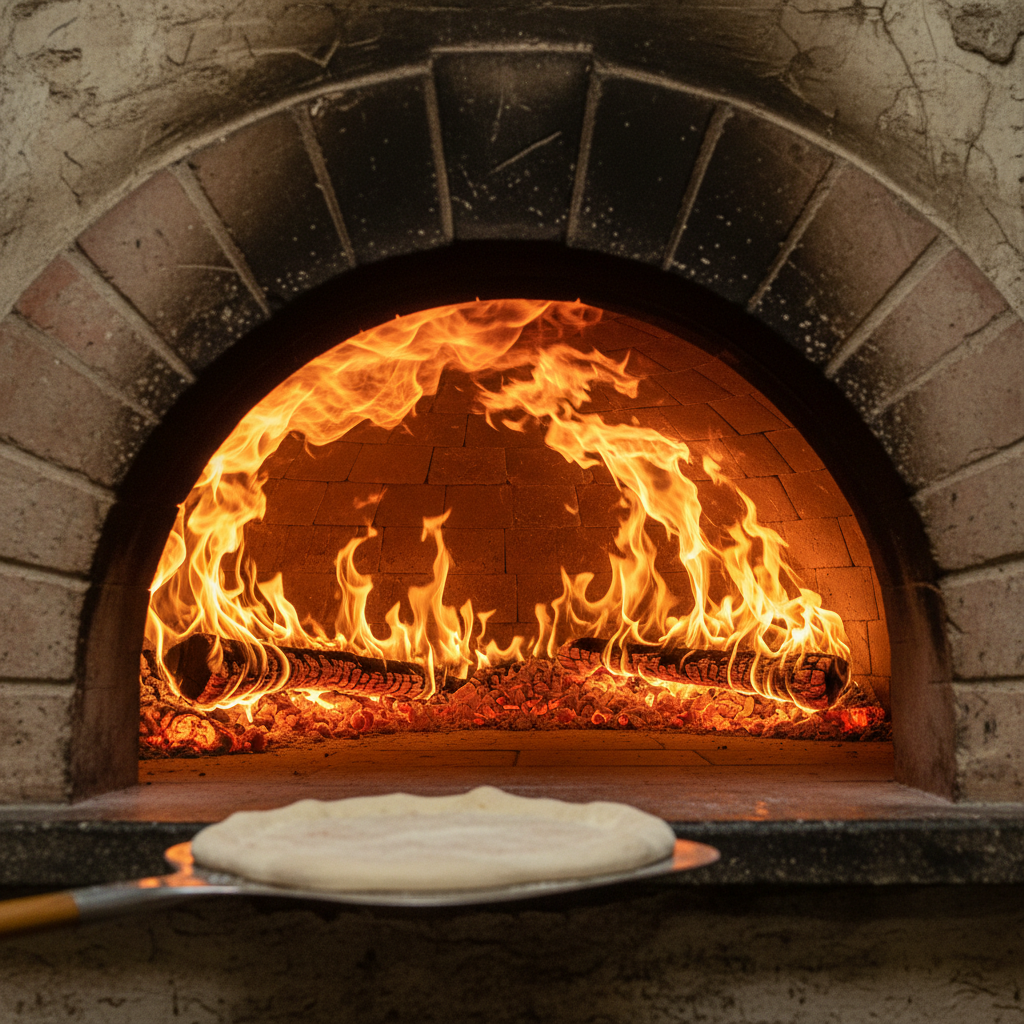
Some modern techniques include using pizza stones or grills to mimic the effects of a wood-fired oven. These methods allow pizza enthusiasts to experiment with textures and flavors from the comfort of their homes.
The Verdict: Which is Better?
The debate between traditional and modern pizza ultimately boils down to personal preference. Traditional pizza lovers appreciate the simplicity and authenticity of age-old recipes, while fans of modern pizza revel in the diversity and creativity it offers.
Both styles have their unique strengths, and the best choice depends on what you're in the mood for. Whether you crave the classic taste of Naples or an inventive twist on a beloved dish, there's a pizza out there for everyone.