
Common Myths About Italian Food: Busted by Sam's Experts


The Truth About Italian Cuisine
Italian food is beloved worldwide, yet it often falls victim to a variety of myths that can cloud its true essence. At Sam's, our experts are here to debunk these misconceptions and shine a light on the authentic flavors of Italy.
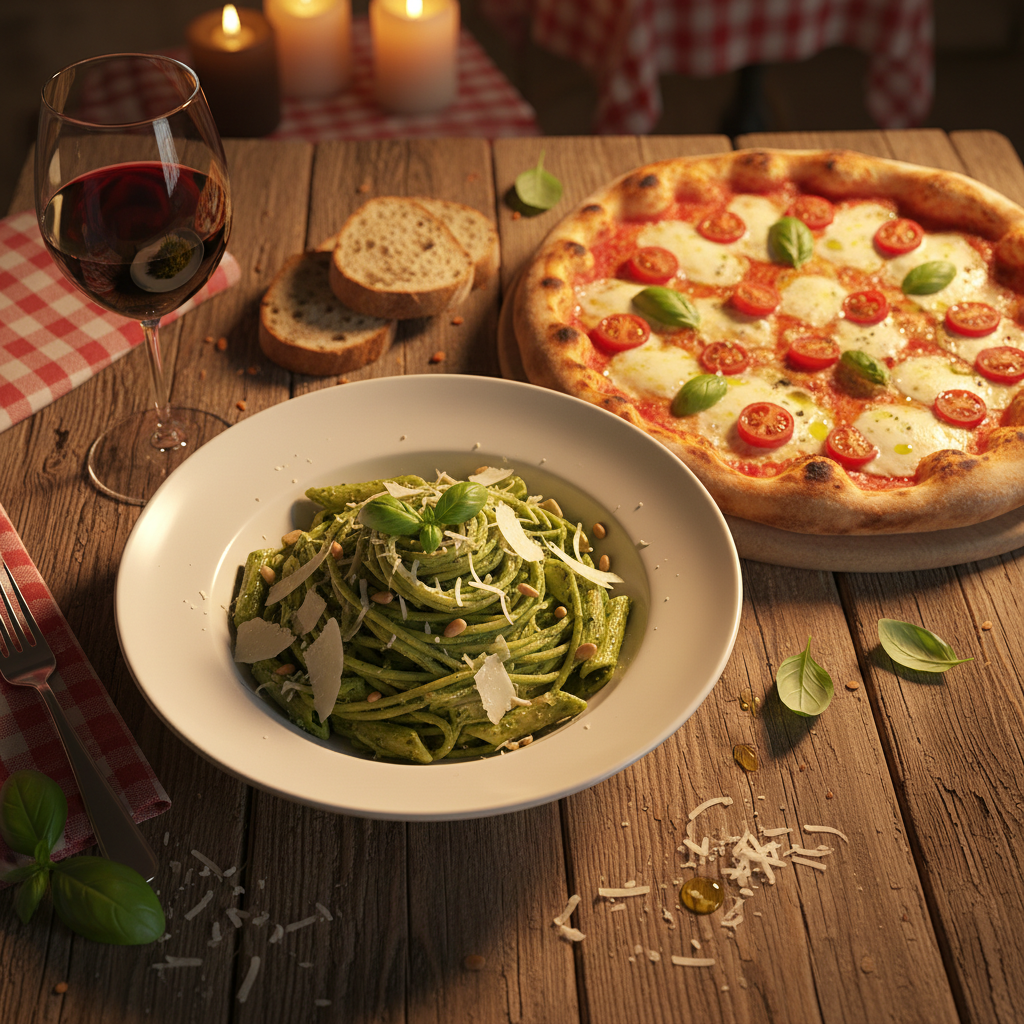
Myth 1: Italian Food Is All About Pasta and Pizza
While pasta and pizza are staples of Italian cuisine, they are just the tip of the iceberg. Italy boasts a diverse culinary landscape with regional specialties that extend far beyond these familiar dishes. From risottos in the north to seafood in the coastal regions, Italian food offers a wide array of flavors and ingredients.
Each region has its own unique dishes influenced by local culture and geography. For example, Sicily is known for its citrus-infused dishes and Arab-influenced sweets, while Tuscany is famous for its hearty soups and grilled meats.
Myth 2: Italian Food Is Inherently Unhealthy
Many people believe Italian food is synonymous with heavy, calorie-laden meals, but this is not always the case. Traditional Italian cuisine emphasizes fresh, high-quality ingredients, and balanced portions. Olive oil, fresh vegetables, lean meats, and grains form the foundation of most meals, aligning with the principles of the Mediterranean diet, which is often hailed as one of the healthiest in the world.
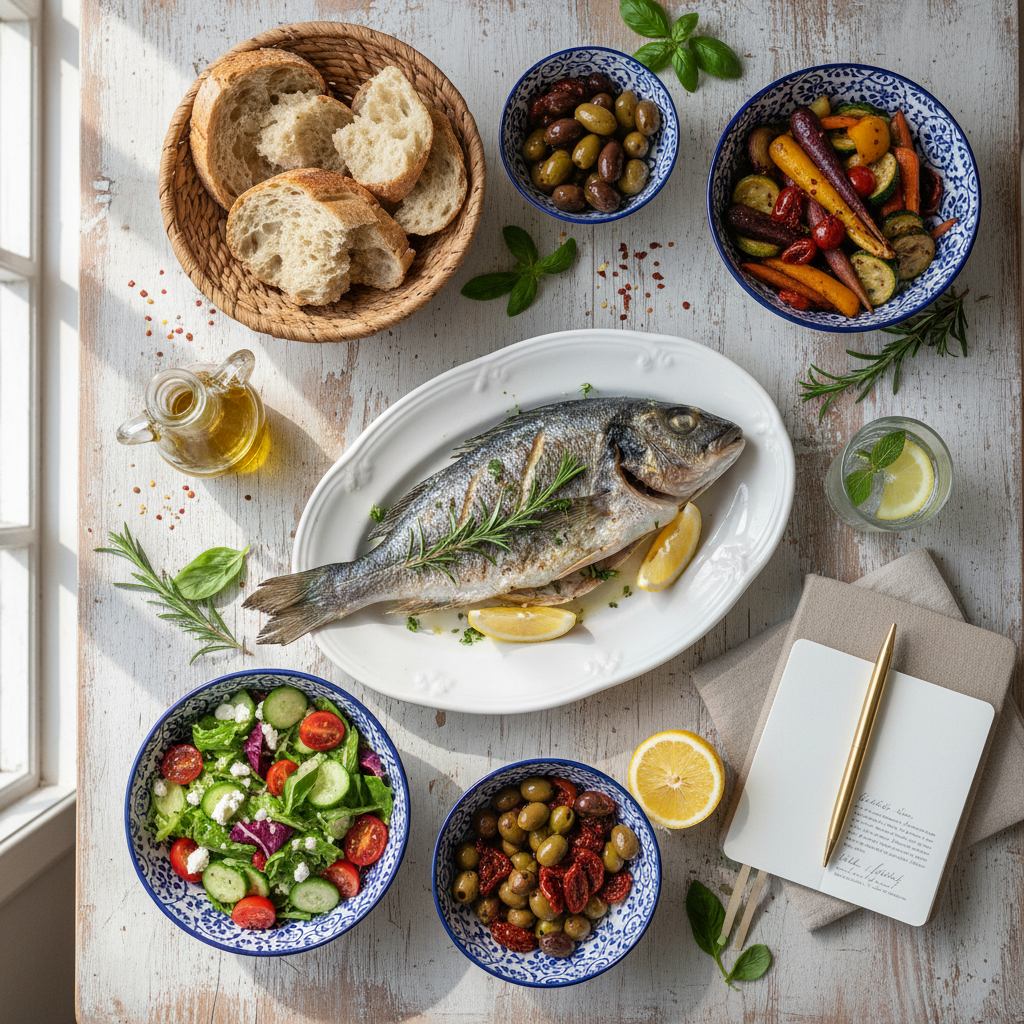
Moreover, Italians often prioritize quality over quantity, savoring their meals and focusing on mindful eating.
Myth 3: All Italian Food Is Drenched in Sauce
Contrary to popular belief, authentic Italian dishes are not drowning in sauce. Italians prefer to highlight the natural flavors of their ingredients, using sauces sparingly to complement, not overpower, the dish. The key is balance, where sauces enhance rather than mask the taste of pasta, meats, or vegetables.
For instance, a simple Aglio e Olio uses just a few ingredients—garlic, olive oil, and chili flakes—to create a dish bursting with flavor without being heavy.
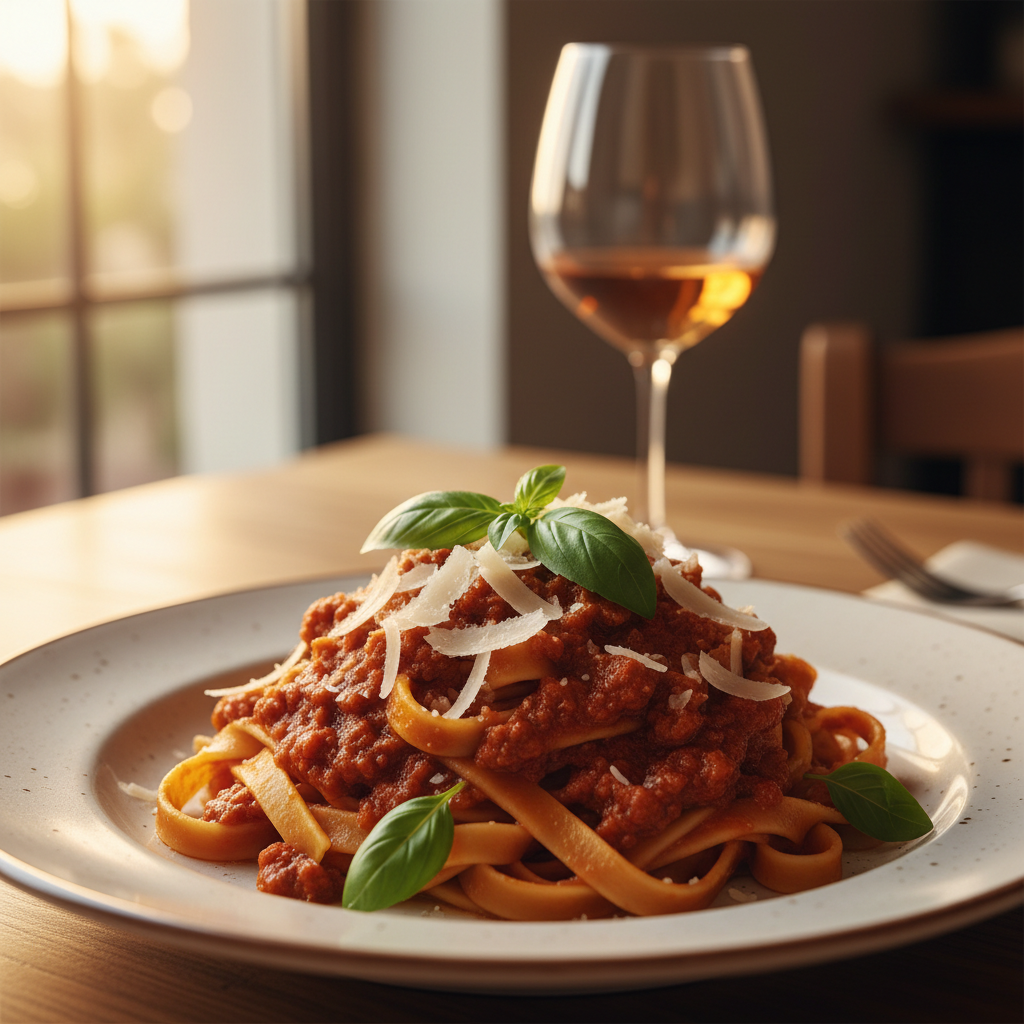
Myth 4: Cheese Is a Must on Every Dish
While cheese is a cherished component of many Italian dishes, it's not universally applied. Certain regions and recipes use cheese sparingly or not at all. For example, seafood dishes in Italy typically avoid cheese to preserve the delicate flavors of the ocean.
Understanding when and how to use cheese is a hallmark of authentic Italian cooking. It's about enhancing the dish, not overwhelming it.
Myth 5: Italian Bread Is Always Served with Olive Oil
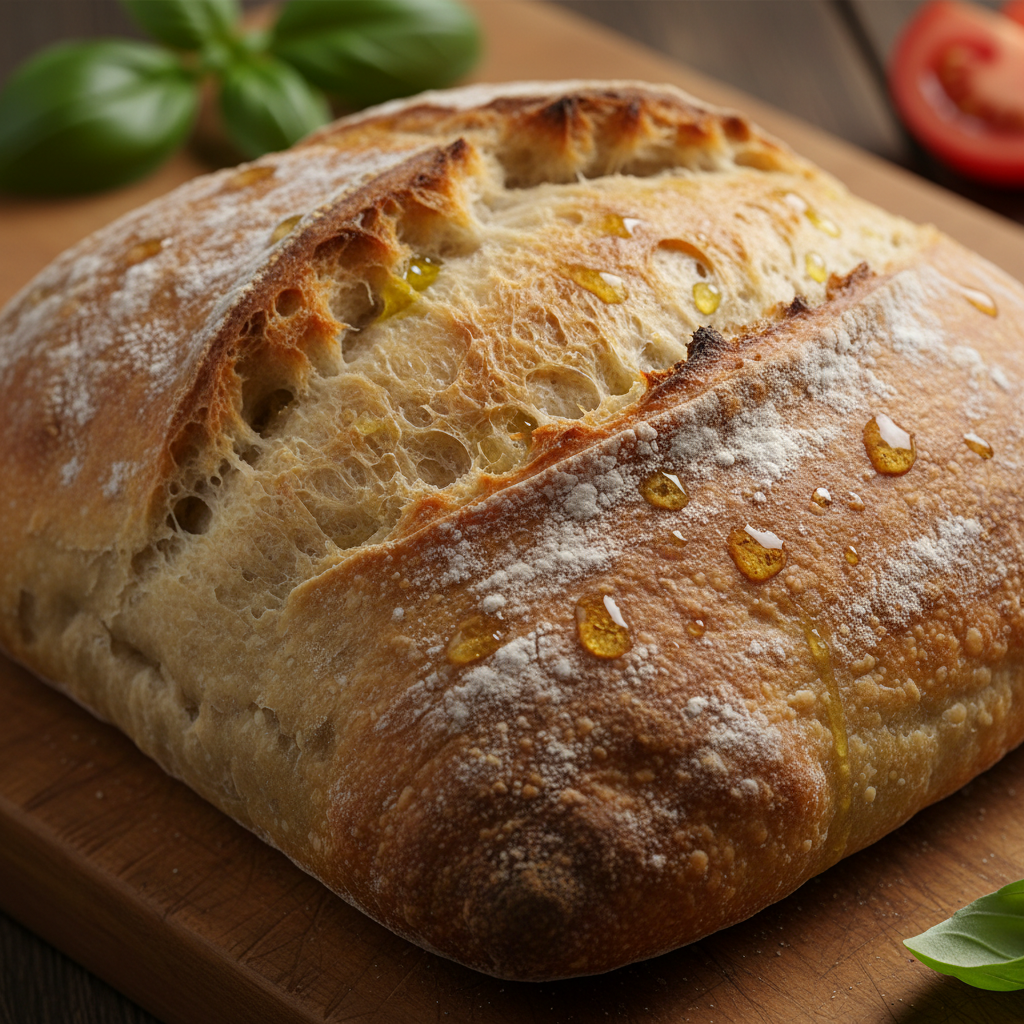
In American restaurants, it's common to see bread served with olive oil for dipping. However, this is not a traditional Italian practice. In Italy, bread is often used to accompany the meal or to mop up leftover sauce, not as a starter with oil.
In conclusion, Italian cuisine is rich, varied, and deeply rooted in tradition. By debunking these myths, we hope to offer a more authentic understanding and appreciation of one of the world's most beloved culinary traditions. At Sam's, our experts are always ready to guide you through the true flavors of Italy.